How to get better at puzzle games
Updated · Plixoo
Short answer
The fastest way to get better at puzzle games is to stop solving them by inspection and start applying the specific technique each puzzle type has. Sudoku is solved by scanning one digit at a time and pencil-marking candidates, not by staring at the grid. Sliding puzzles are solved row by row with a rotation trick for the last two tiles. Lights Out is solved by light chasing. 2048 is solved by anchoring your largest tile in a corner. In nearly every case, a player who knows the method beats a smarter player who does not, so learning the method is a better investment than trying harder.
Look for the constraint, not the answer
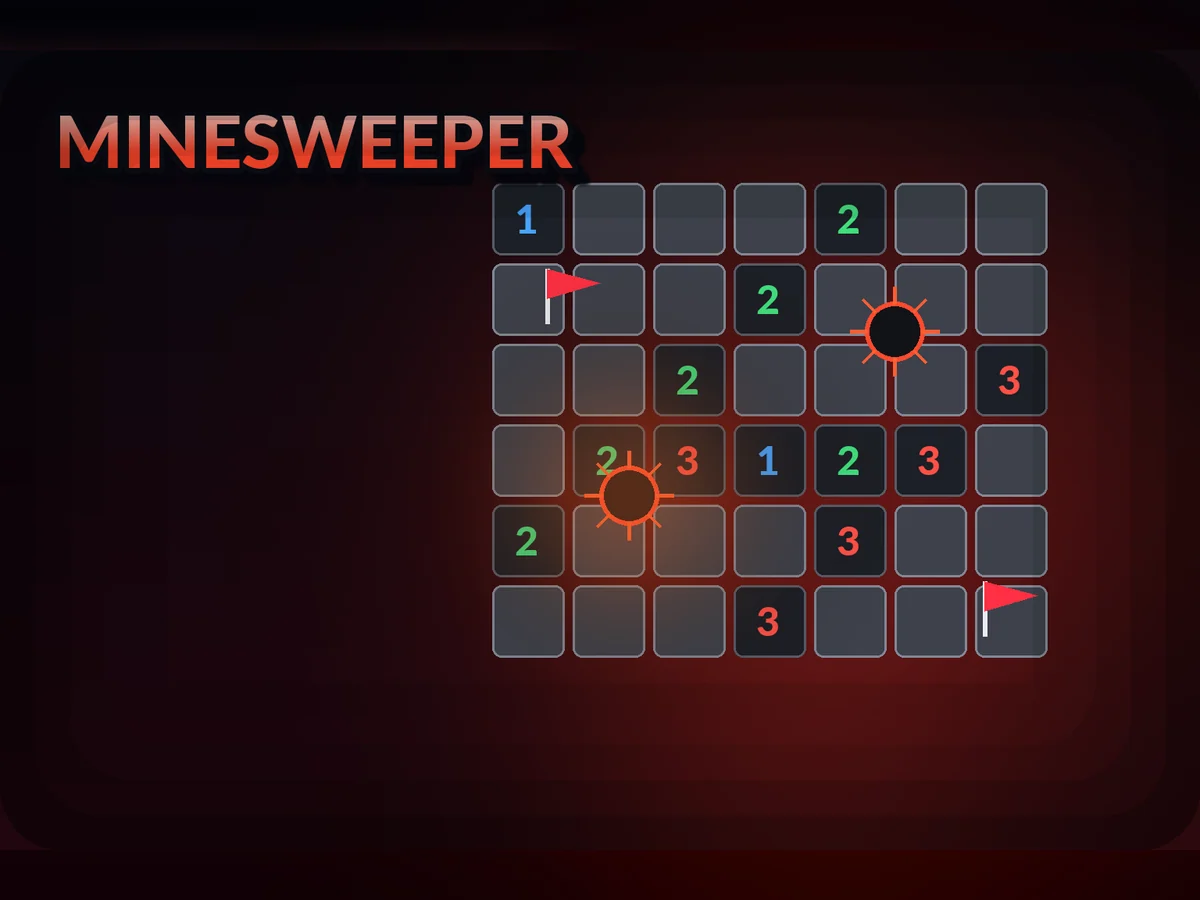
Beginners look at a puzzle and try to see the solution. Experienced solvers look for the most constrained thing on the board and work outward from it. In Sudoku that means the box with the fewest empty squares. In Minesweeper it is the numbers along a wall, because edge squares have fewer neighbours and so give away more.
This is the single biggest shift in how you approach a puzzle. The constrained parts have fewer possibilities, which means more of them can be eliminated by pure logic, which means you spend less time guessing.
Write down what you have ruled out
Trying to hold every eliminated possibility in your head is the main reason people stall on hard puzzles. It is not a memory problem so much as a bookkeeping one.
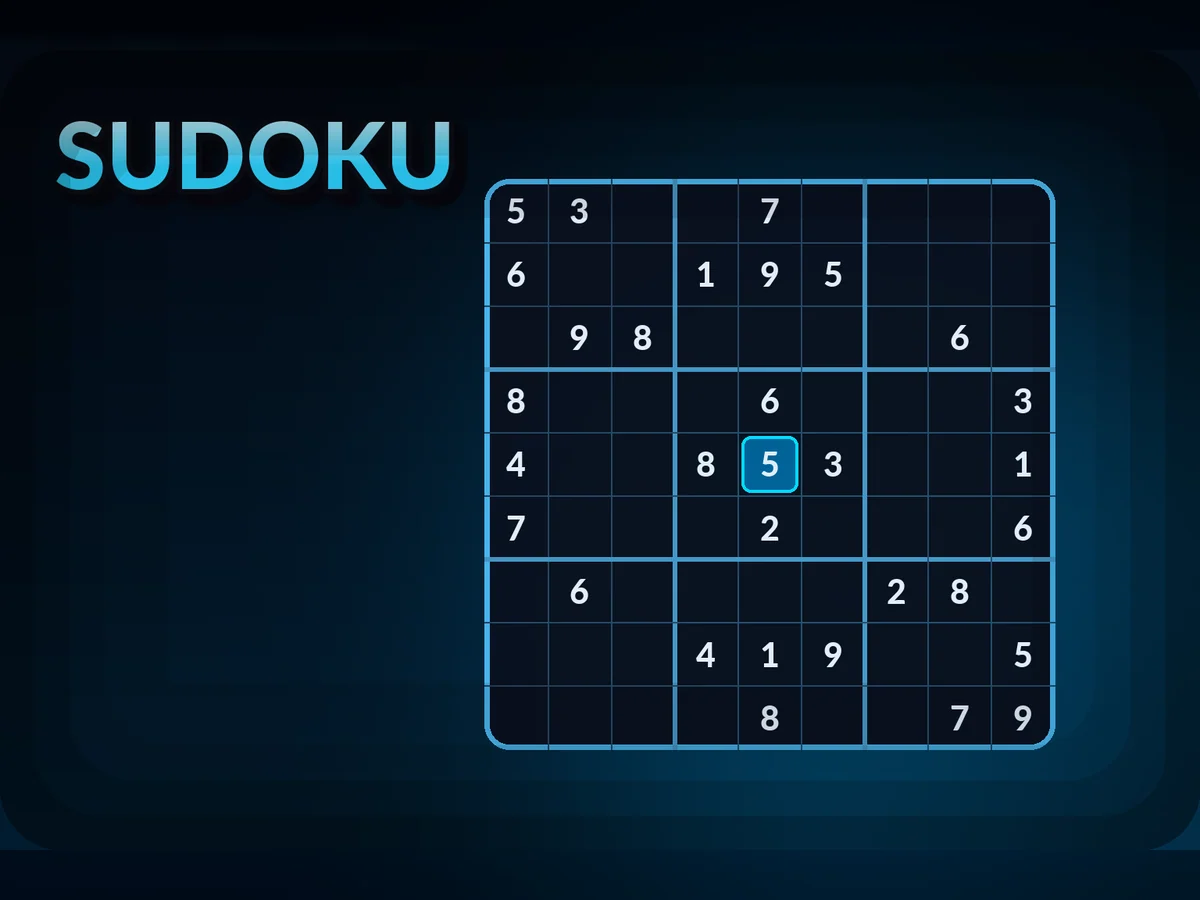
In Sudoku, pencil-marking candidates in each square turns an impossible-looking grid into a readable one, and it is what makes techniques like naked pairs visible at all. Two squares in the same row that can only hold 4 or 7 means no other square in that row can hold a 4 or a 7 - which is obvious written down and invisible otherwise.
Work backwards from the end
Some puzzles are far easier read in reverse. In One Stroke, a line leading to a dot with only one connection has to be your final stroke, because once you travel it there is no way out. That single observation usually collapses the whole puzzle.
The same applies to any puzzle with a forced ending. Ask what the last move must be, then what must be true just before it.
Know when a puzzle needs a method
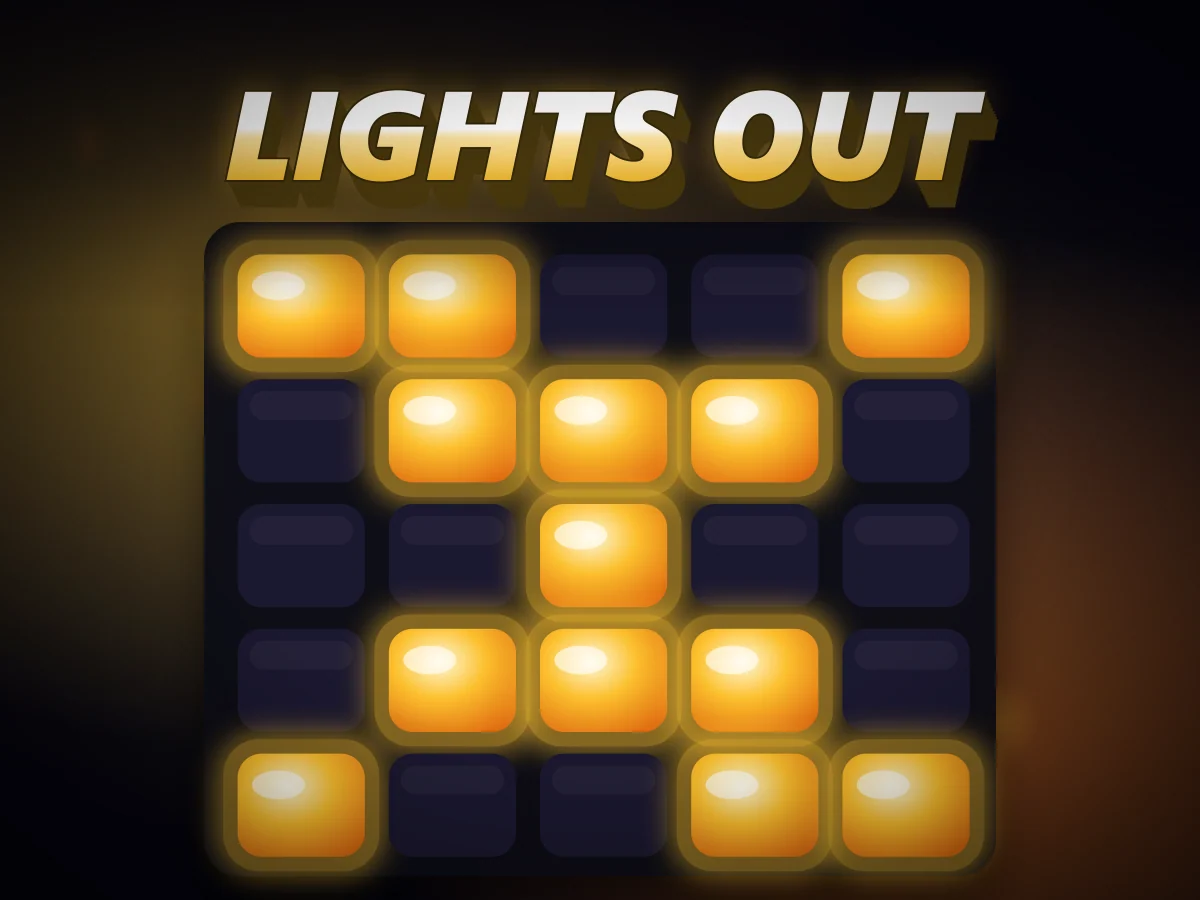
Lights Out is the clearest example. Tapping lights until the board clears essentially never works, because each tap flips five squares and the interactions are not intuitive. The light-chasing method - press squares in the top row, then move down pressing beneath every lit square - turns it from luck into a procedure.
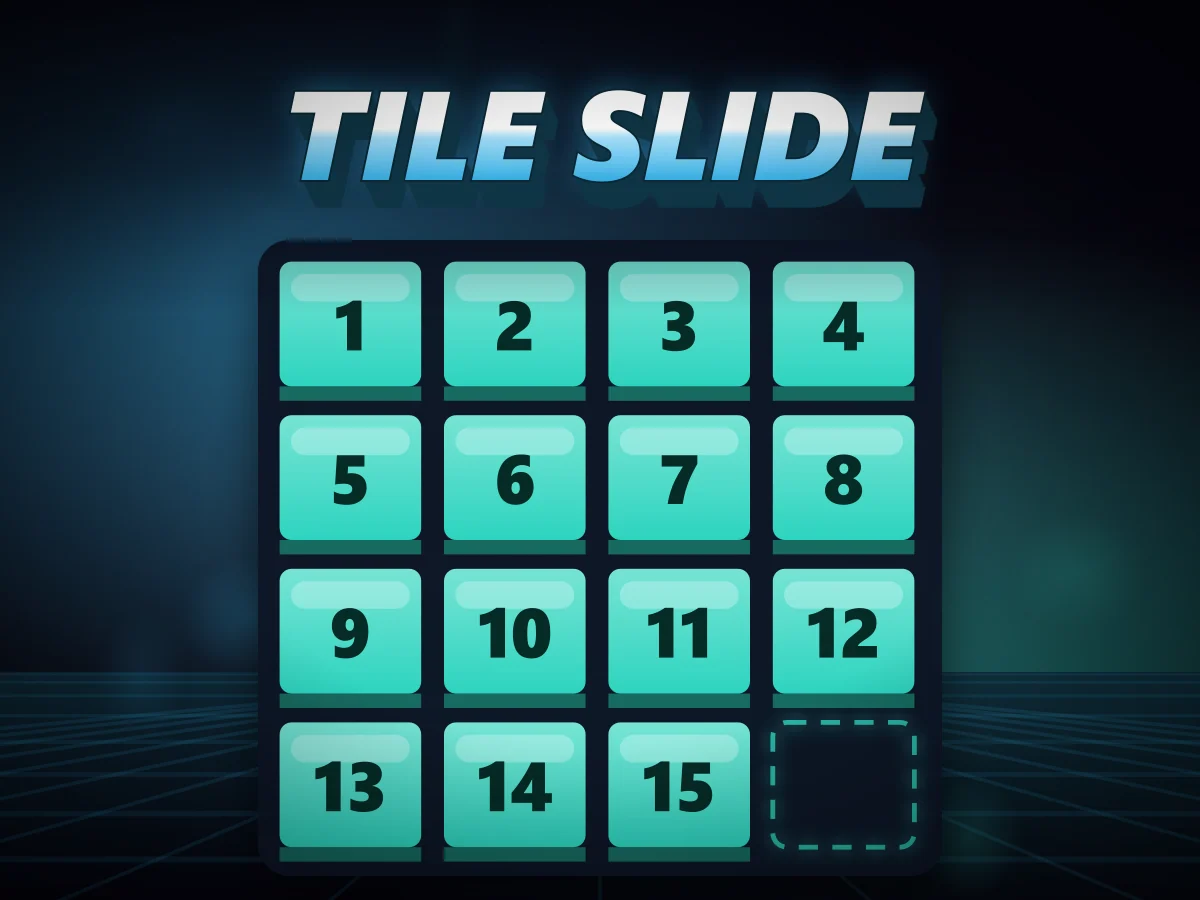
Sliding puzzles are the same. The last two tiles of a row cannot be placed one at a time, because setting the second displaces the first. They have to be placed in a rotated position and cycled in as a pair. Nobody discovers that by effort alone.
- Sudoku: scan by digit, then pencil-mark, then look for naked pairs
- Minesweeper: learn the 1-2-1 wall pattern and use chording
- Lights Out: chase the lights top to bottom, then fix the top row
- Tile Slide: solve row by row, rotate the last two tiles of each
- One Stroke: count odd-degree dots to find where to start
- 2048: anchor your biggest tile in one corner and never break it
Slow down on the moves that matter
In most puzzle games the majority of moves are forced or nearly so, and a small handful genuinely decide the outcome. Playing every move at the same speed means rushing the important ones.
A useful habit is to notice when you have a real choice and deliberately pause there. In 2048 that is any move that would shift your anchor tile. In Solitaire it is whether to send a card to the foundation early. Those are the moves worth ten seconds of thought.
Games mentioned here
Frequently asked questions
How can I get better at Sudoku quickly?
Scan one digit at a time rather than looking at the whole grid. Pick a number, check which rows, columns and boxes already contain it, and you will often find a box with only one legal square left. Once scanning stops yielding progress, pencil-mark the remaining candidates in each square, which makes patterns like naked pairs visible.
Do puzzle games make you smarter?
You get measurably better at the puzzle you practise, and the techniques involved - systematic scanning, working backwards, chunking - are real transferable skills. The evidence that puzzle games raise general intelligence is weak, so the honest position is that they are good mental exercise rather than brain training with guaranteed results.
What is the best puzzle game for a beginner?
2048, because the rules take five seconds to learn and the strategy reveals itself as you play. If you want something more structured, an easy Sudoku is a good place to start, since scanning works on easy grids without needing any advanced technique.
Is it cheating to look up a technique?
No. Techniques like light chasing or the sliding-puzzle rotation are the intended solution methods, not exploits. Almost nobody derives them independently, and knowing them is what makes the harder puzzles enjoyable rather than frustrating.
More guides
The best free online games you can play with no download
Twelve browser games worth your time, sorted by what you actually want out of them.
How to play 2 player games on one phone
No second device, no accounts, no lobby. Just one screen and two people taking turns.
Are browser games safe for kids? What to actually check
The risks in kids' games are rarely the games. Here is what to actually look at.
Why classic arcade games are still good
Five games from between 1972 and 1984 that nobody has improved on.
What to play when you are bored and cannot decide
Skip the scrolling. Answer two questions and start playing.