Why classic arcade games are still good
Updated · Plixoo
Short answer
Classic arcade games still work because their designs were shaped by hardware limits into something close to ideal: one rule a player understands in a single run, and a skill ceiling far above it. Pong (1972) established video games commercially, Space Invaders (1978) turned arcades into a phenomenon, Asteroids (1979) introduced momentum physics, Pac-Man (1980) replaced shooting with pursuit and became the first genuine mass-culture video game, and Tetris (1984) built an endlessly escalating puzzle from seven shapes. Each is playable free in a browser today with no emulator.
Constraint as design
The original arcade machines had almost nothing to work with. A few kilobytes of memory, no ability to store text, no space for a tutorial and no second chances - the machine had to teach you the game while taking your money.
That produced a specific discipline: one mechanic, immediately legible, escalating forever. There was no room for anything else. Decades later, with those constraints long gone, it turns out that the constraints were producing very good games.
Pong, 1972
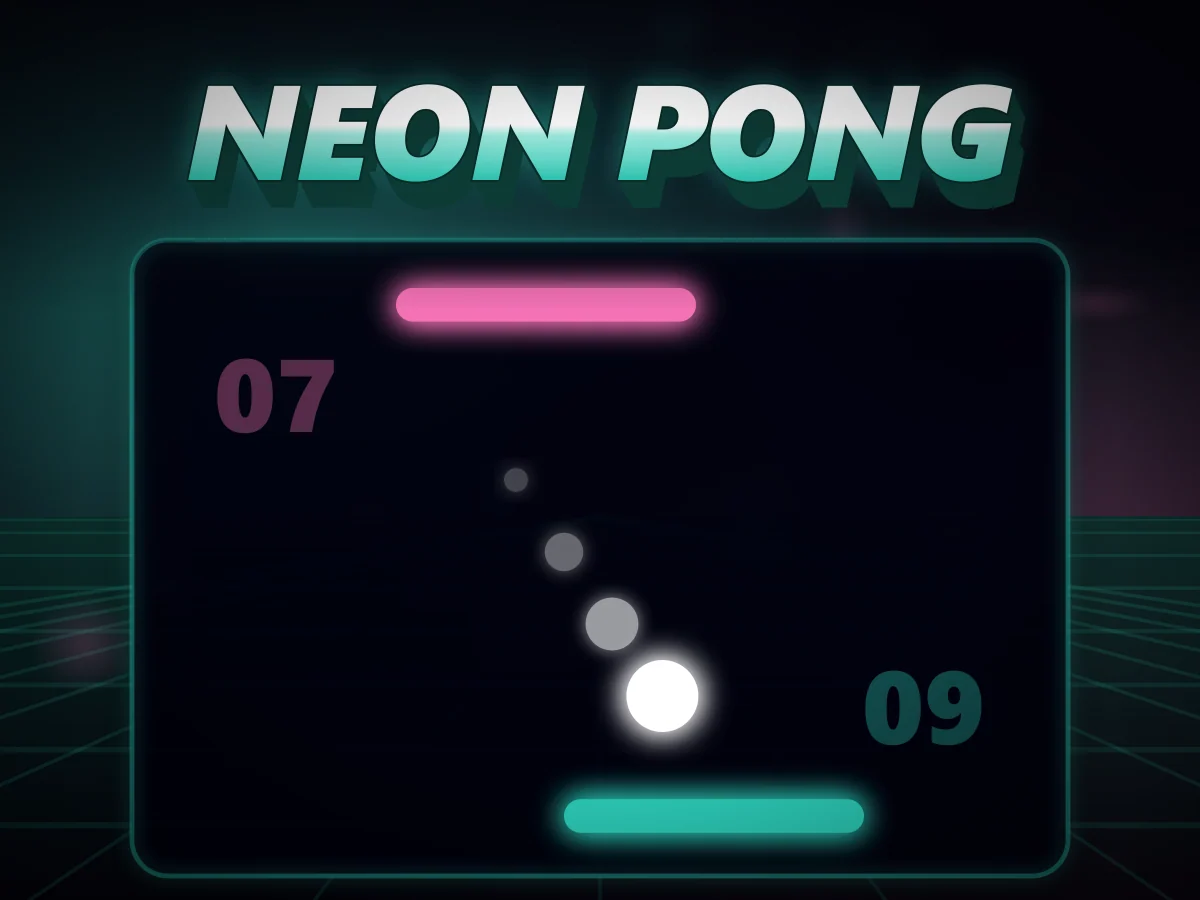
Two paddles and a ball. Pong was not the first video game, but it was the first commercially successful one, and it is the reason the industry exists.
What keeps it playable is the acceleration: every return adds speed, so a rally that begins leisurely becomes genuinely difficult after a dozen exchanges. The game generates its own difficulty curve from a single rule, with no levels and no settings.
Space Invaders, 1978
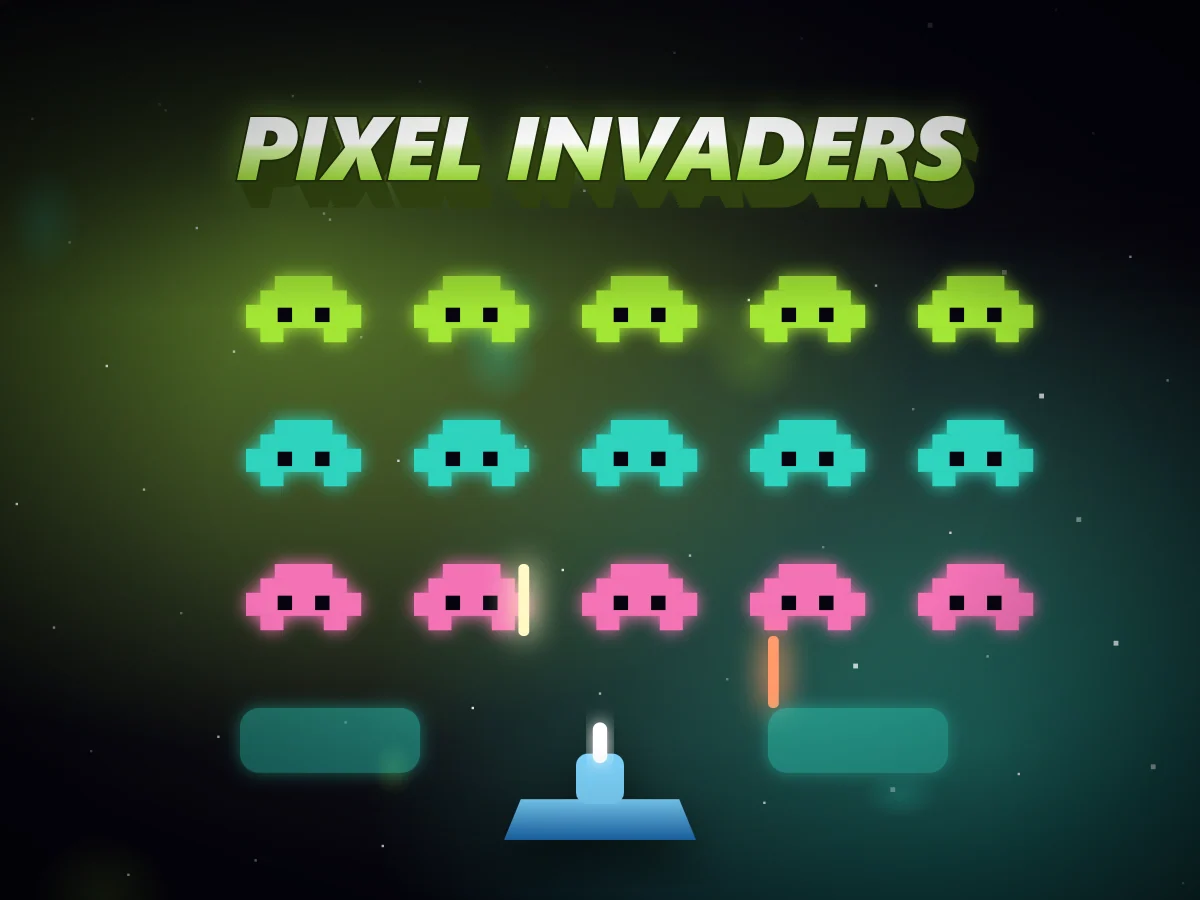
The famous detail about Space Invaders is that the aliens speeding up as you destroy them was an accident. The hardware could only draw the remaining aliens, so fewer aliens meant a faster frame - and the designers kept it.
It is the perfect illustration of the point. The single most important dynamic in the game, the thing that creates tension as you approach victory, was a limitation that turned out to be better than anything anyone would have designed on purpose.
Asteroids, 1979, and momentum
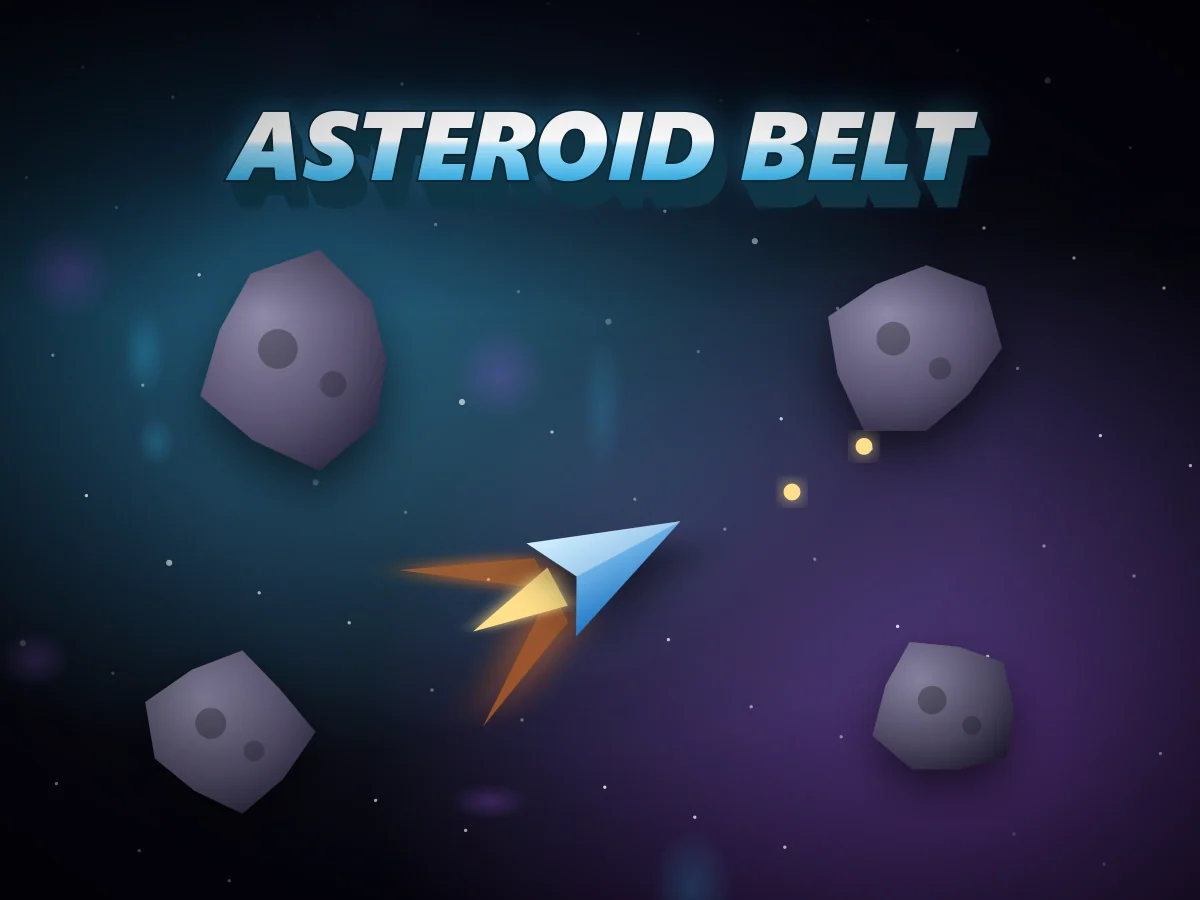
Asteroids introduced something most games still avoid: real inertia. There is no friction in space, so thrust adds velocity and nothing takes it away. Stopping requires thrusting the other way for just as long.
It makes the game harder to learn than its contemporaries and far more satisfying once it clicks, because you are not steering a ship so much as negotiating with physics. The other innovation was splitting: shooting a large asteroid makes the screen more dangerous, not less.
Pac-Man, 1980
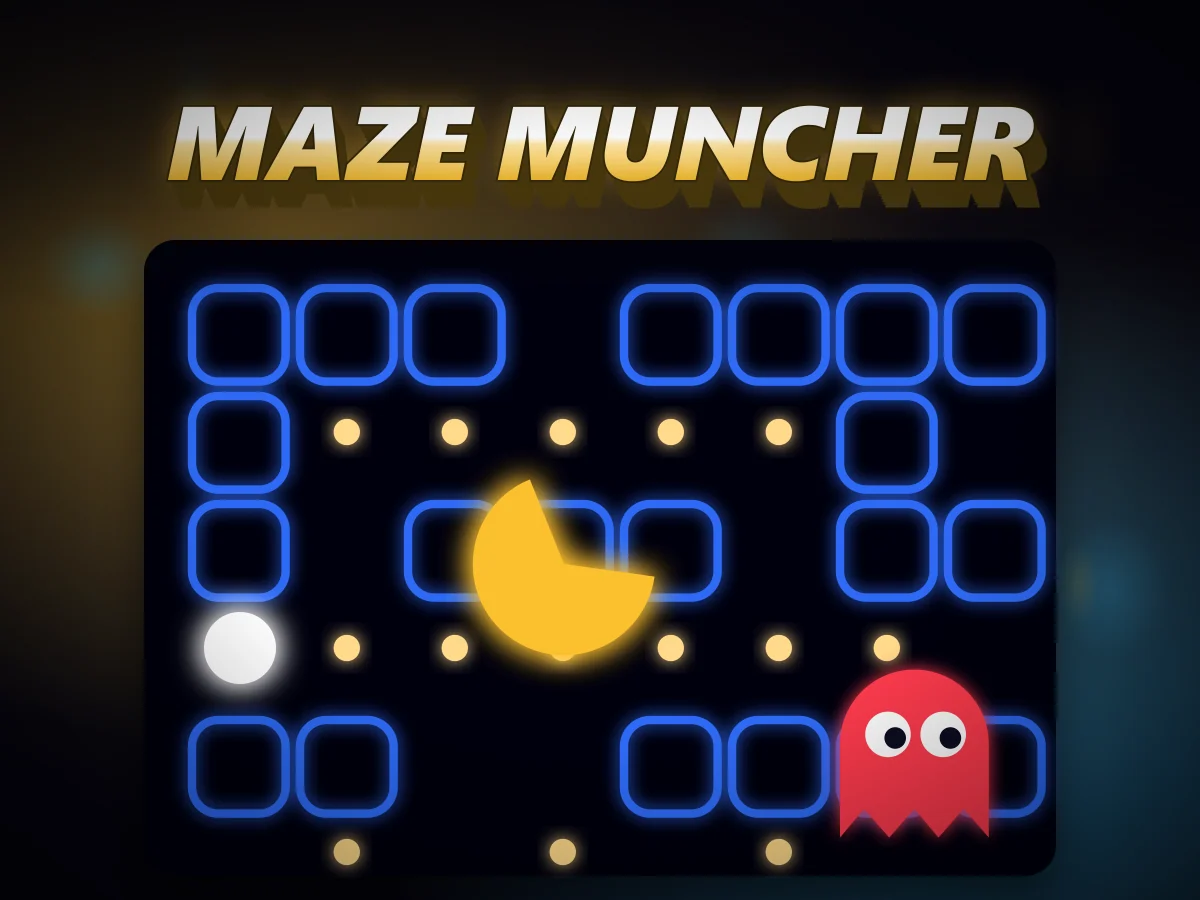
Pac-Man mattered because it was not about shooting. It found a mass audience that arcade games had not reached, and it gave the medium its first genuine mascot.
Mechanically its innovation is the power pellet: a brief inversion where the hunted becomes the hunter. That single reversal converts a game about avoidance into one about timing and greed, because the points are only there if you hold your nerve and wait.
Tetris, 1984
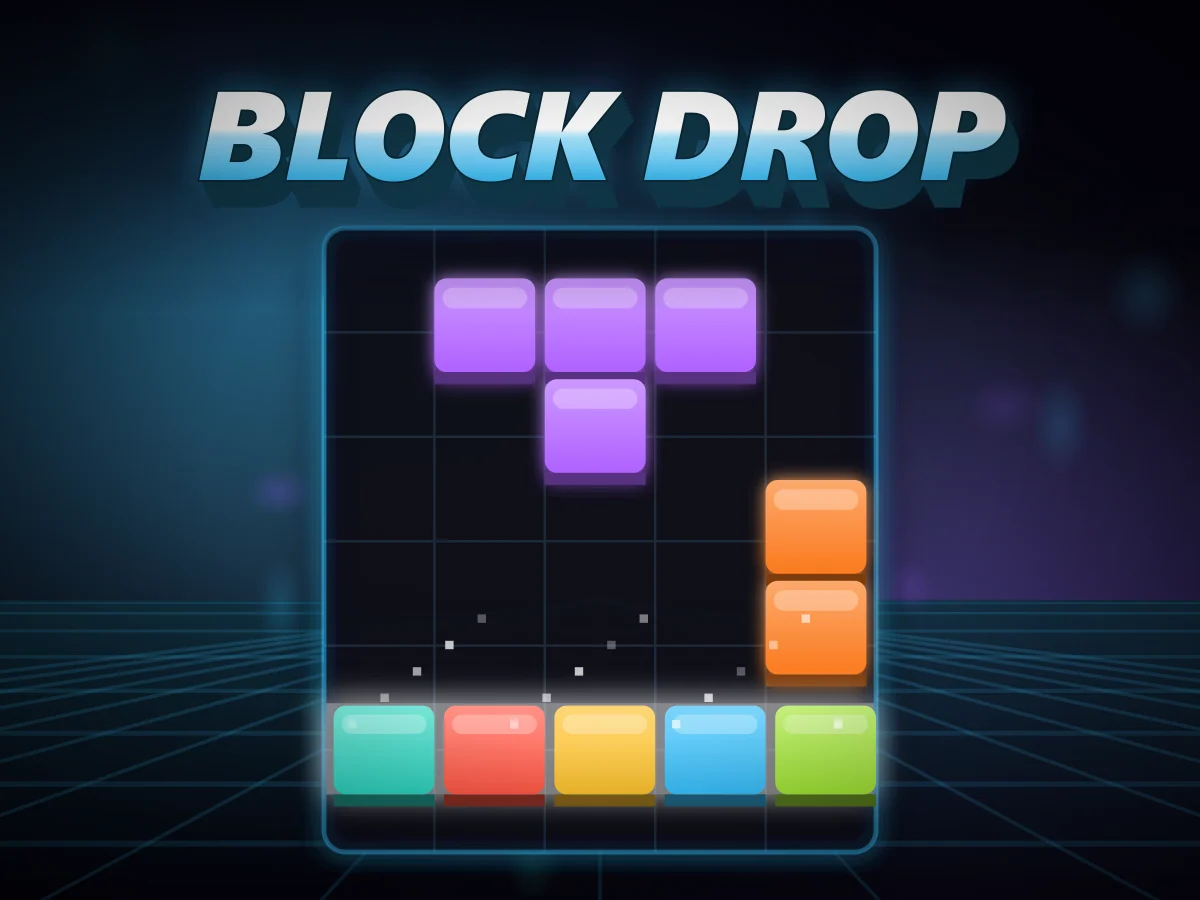
Seven shapes, one rule, no end. Tetris is arguably the most efficient game design ever produced: nothing can be removed from it without breaking it.
Its real insight is that the failure state accumulates. You do not lose a life; you gradually make your own situation worse by covering gaps, and every buried hole is a debt you have to clear rows to repay. The game is over long before the pieces reach the top - it is decided by the holes you made ten minutes earlier.
Games mentioned here
Frequently asked questions
Can I play classic arcade games in a browser?
Yes. Games in these formats can be rebuilt to run natively in a modern browser, which means no emulator, no ROM files and no configuration. They also gain touch controls the originals never had, so they work on phones.
What was the first video game?
Pong was not literally the first - experimental games existed from the 1950s and 1960s - but its 1972 arcade release was the first commercial success, and it is the point at which video games became an industry rather than a curiosity.
Why do the aliens speed up in Space Invaders?
It was a hardware limitation. The machine drew each alien individually, so as you destroyed them there was less to draw per frame and the remaining aliens moved faster. The designers recognised it made the game better and left it in.
Why are old games still fun?
Because severe hardware constraints forced a design that happens to be excellent: a single rule you understand in one run, with a skill ceiling far above it. Nothing about better graphics improves that structure, which is why the formats have outlived the machines by decades.
More guides
The best free online games you can play with no download
Twelve browser games worth your time, sorted by what you actually want out of them.
How to play 2 player games on one phone
No second device, no accounts, no lobby. Just one screen and two people taking turns.
Are browser games safe for kids? What to actually check
The risks in kids' games are rarely the games. Here is what to actually look at.
How to get better at puzzle games
Most puzzle games have a technique. Knowing it beats being clever every time.
What to play when you are bored and cannot decide
Skip the scrolling. Answer two questions and start playing.